20 litres
water per chef jacket
An average of 20 litres of water per chef jacket, by using rainwater and reusing dyeing water.
Order before 12:00, delivered tomorrow if in stock
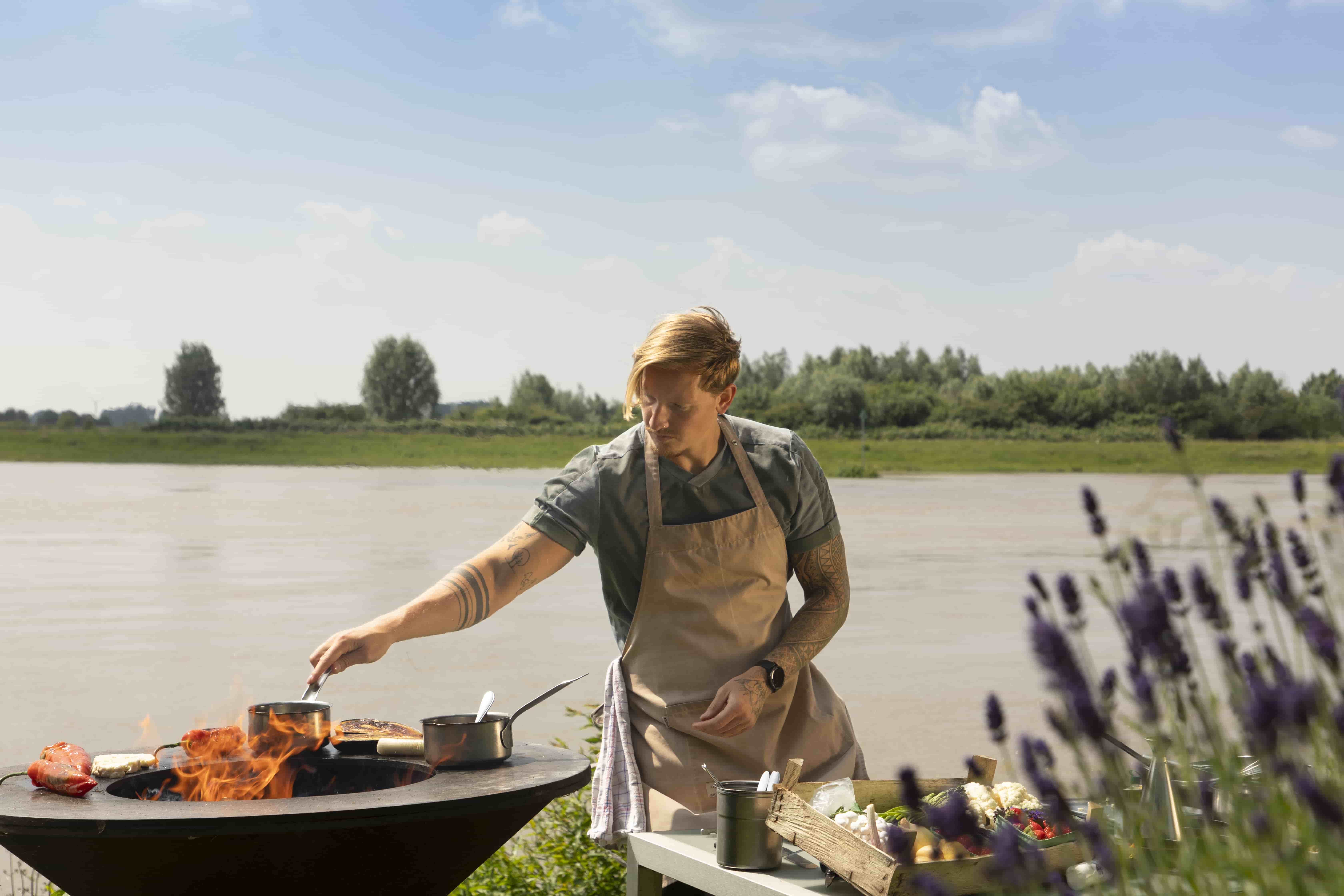
Wastewear
Dyed with food surplus such as paprika, coffee and turmeric, and considerable savings on water and power.
What Wastewear is
Stand out in hospitality wear dyed with food surplus.
Wastewear, where sustainability and innovation come together to give hospitality wear a unique and green transformation. Our distinctive approach is not only about working towards a circular economy, but also about using sustainable fabrics and dyeing with food waste. A chance for hospitality businesses to get involved in sustainability in a creative way.
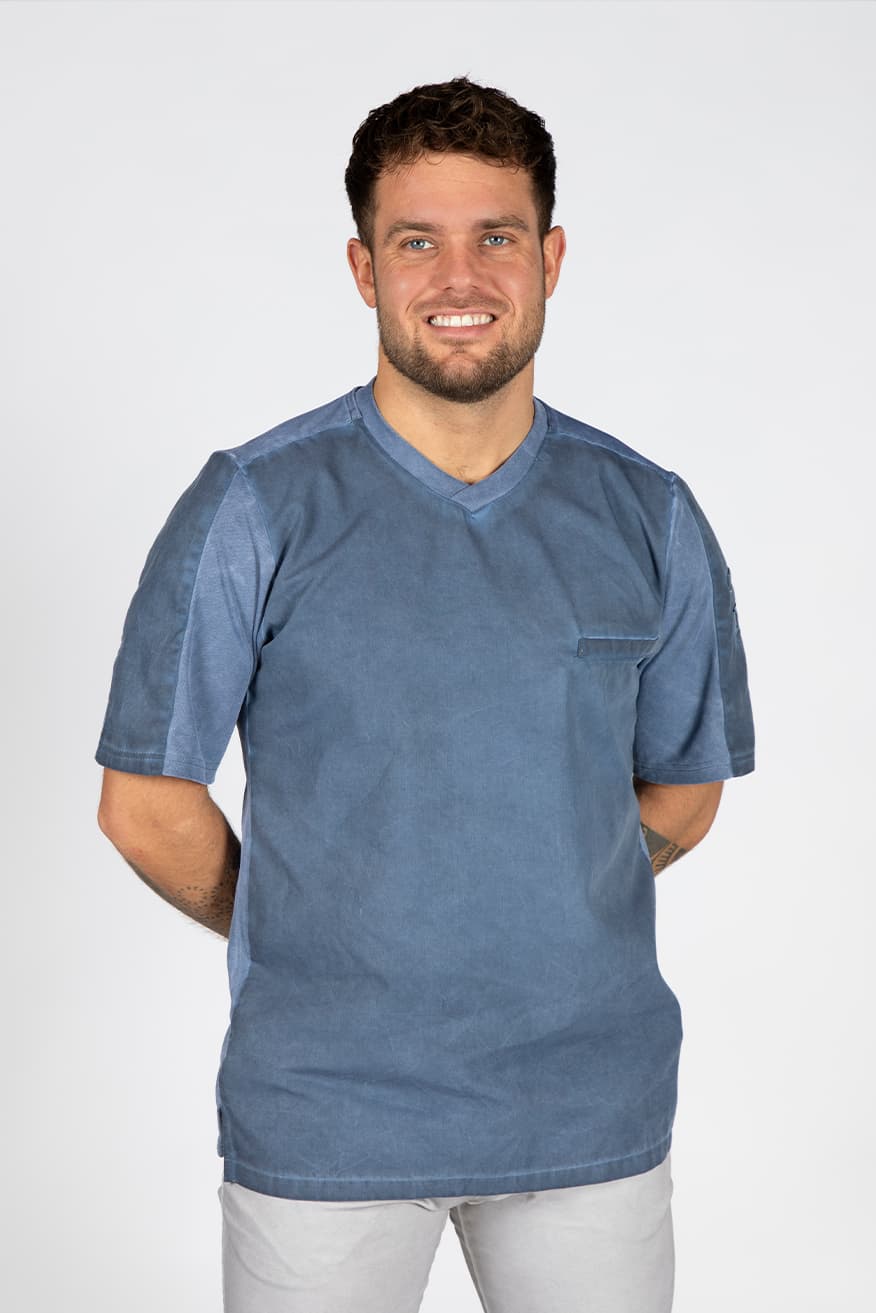
At Wastewear we dye afterwards: we first produce white hospitality wear from organic cotton and recycled polyester.
Once the garment has been made, we dye it in the colour you want. We use a concentrate of the organic materials and add it until we reach exactly the right colour.
First we make white hospitality wear from organic cotton and recycled polyester.
Orange peel, coffee grounds, paprika or carrots are reduced into a natural pigment.
The finished garment goes into the machine and only then gets its colour.
What you save
Dyeing afterwards with food surplus saves more than chemicals: it saves water, power and time.
20 litres
An average of 20 litres of water per chef jacket, by using rainwater and reusing dyeing water.
Zero
A fully organic dyeing process without harmful chemicals, reusing food waste from the hospitality industry.
80%
Dryers save 80% energy by reusing waste water and warm air.
27.5 min
A lead time shortened by 27.5 minutes and a saving of 17 times as much power.
The colours
Not a card of swatches, but the clothing itself. This is what Wastewear actually looks like.
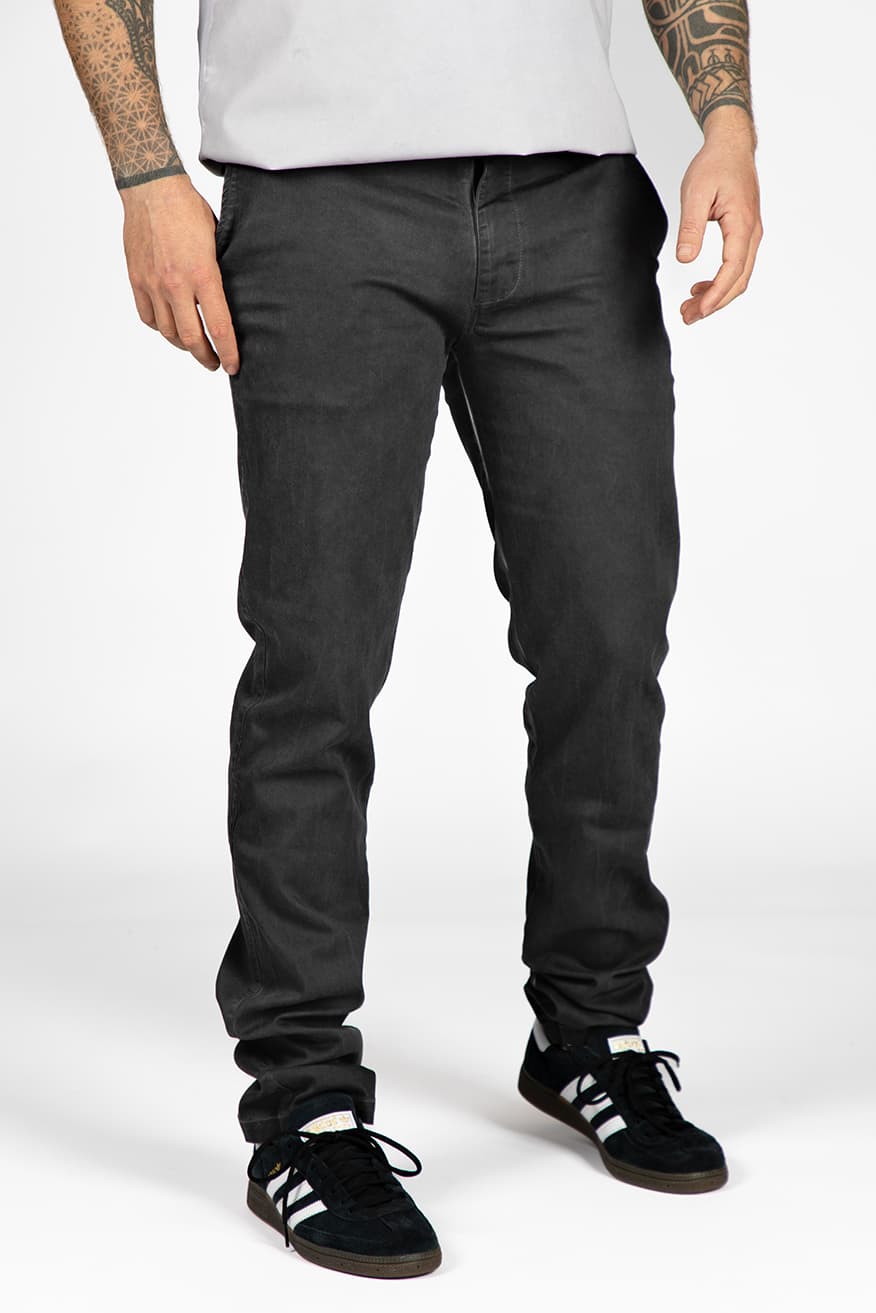
Coffee
Milan · Chef trousers
Deep charcoal leaning towards black. The darkest colour in the line.
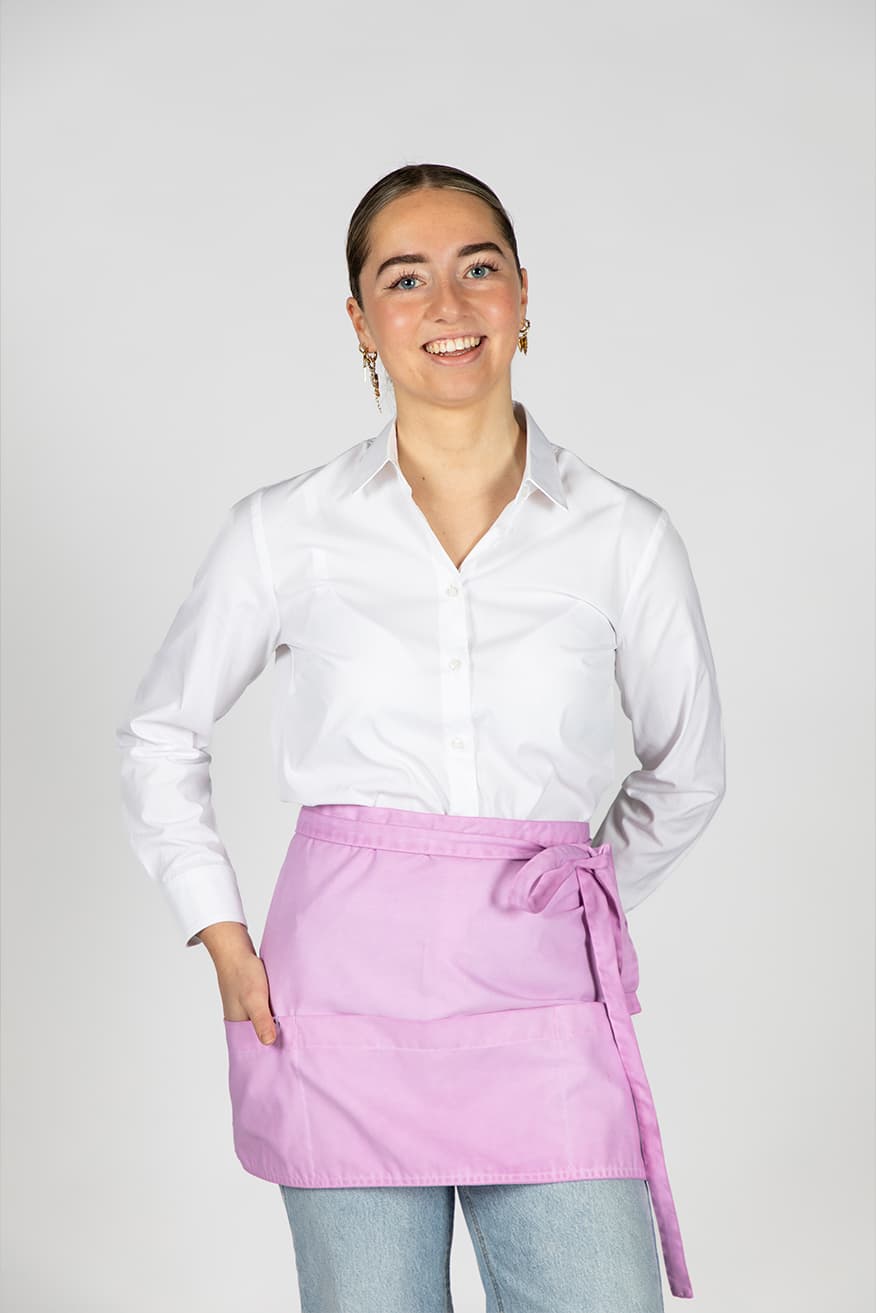
Berries
Chouf · Waist apron
Soft pink with a purple undertone. The boldest of the four.
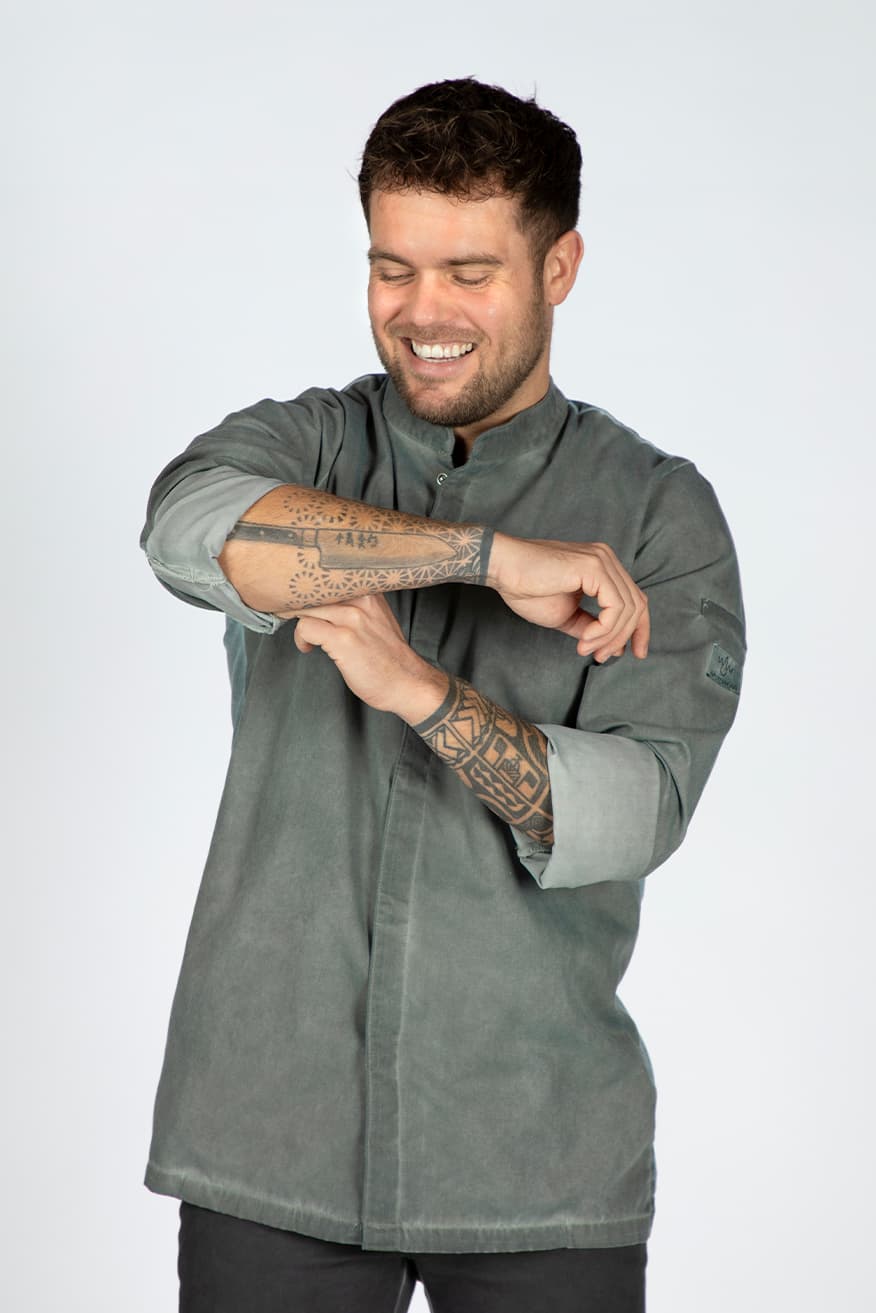
Woad
Vin · Chef jacket
Grey-green, with the faded character of a chef jacket that has already done a season.
Woad
Jona · Shirt
Denim blue from the same dye plant, dyed differently. Same source, another colour.
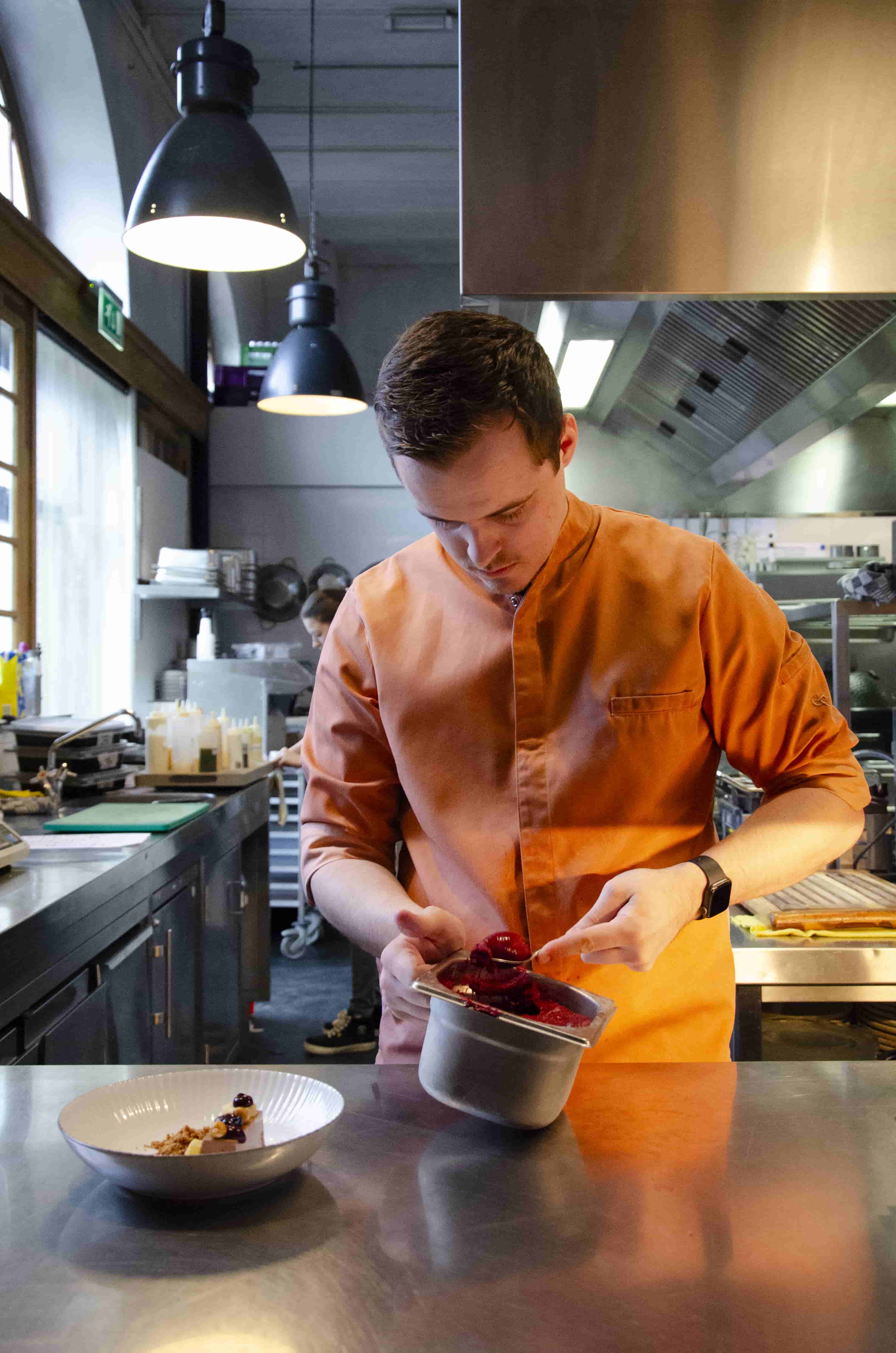
A natural pigment never comes out identical twice. One piece takes deeper than the next, and on seams and hems the colour sets differently.
That is not a flaw but the mark of the line. The photos here are an average; your piece will vary slightly.
At Wastewear we use orange peel, coffee grounds, paprika, carrots and more as natural pigments. Not only as a sustainable alternative, but also as a nod to the kitchen: waste that would normally be thrown away gets a new purpose and gives our hospitality wear a colourful, lively character.
Alongside the dyeing process we use sustainable fabrics to reduce our impact on the environment. Our hospitality wear is made from recycled PET bottles and organic cotton, currently the most sustainable fabrics on the market. That closes the circle and contributes to a more sustainable hospitality industry.
Award-winning innovation
In October 2024, the expert jury of the Regio Foodvalley Innovation Award honoured us in the Manufacturing category, for chef jackets made from recycled materials. Proof that craftsmanship and sustainability go hand in hand.
The collection
Chef jackets, shirts, trousers, bib and waist aprons, in the four colours of the line.
View the Wastewear collection